


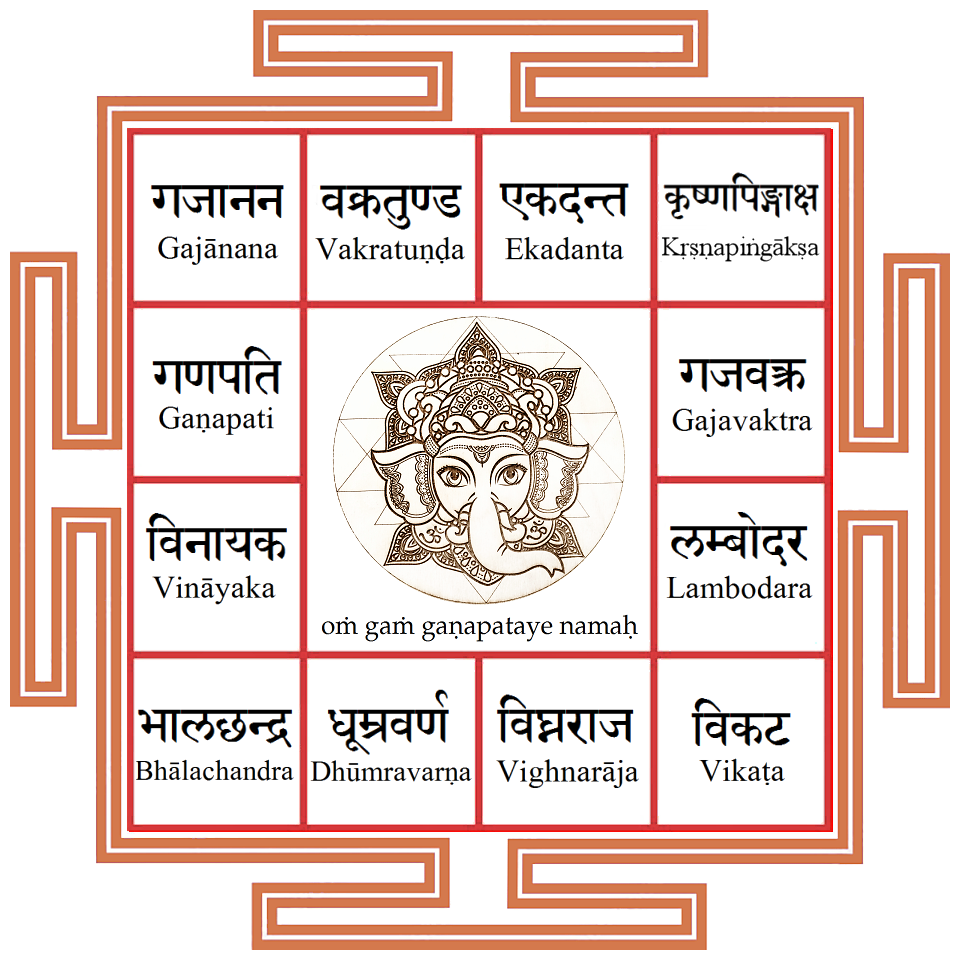
Śrī Gaṇeśa Yantra
The Gaṇeśa Yantra is drawn based on the teachings of Śrī Nāradain the ‘Gaṇeśa-dvādaśa-nāma-stotra’. The twelve petal lotus is symbolic of the heart lotus and the door of this heart lotus is guarded by Gaṇeśa. This is a miraculous yantra and is used for various purposes to invoke auspiciousness.
1 |
2 |
3 |
4 |
5 |
6 |
7 |
8 |
9 |
10 |
11 |
12 |
The “damana” (supression of negativity) bija mantras (root-phoneme) is suffixed to these twelve names of Lord Gaṇeśa to remove all obstacles, they are also chanted to remove the negative effects from bad planetary afflictions. These mantras remove all obstacles and ensure that the work is completed successfully.
Huṁ – A powerful bija (seed) sound that destroys negativity, creates divine protec-tion, and channels spiritual energy.
Oṁ Vakratuṇḍāya Huṁ Mantra is a sacred mantra for Gaṇeśa Japa, invoking Lord Gaṇeśa’s blessings with the powerful huṁ beeja sound. This divine chant removes obstacles and grants wisdom.
ॐ वक्रतुण्डाय हुं
Oṁ Vakratuṇḍāya Huṁ
"Oṁ! Salutations to Vakratunda; may his powerful energy (Huṁ) protect and guide me."
This is a short, potent protective mantra for invoking Lord Gaṇeśa's power to remove obstacles and protect the devotee.
• Oṁ - invocation connects you to the Supreme.
• Vakratuṇḍa - focuses your call to Gaṇeśa’s adaptable, obstacle-removing form. Vakratuṇḍa means "one with a curved trunk." It is a sacred name of Lord Gaṇeśa, symbolizing adaptability, the ability to overcome and twist around obstacles, and wise strategy.
• Huṁ - energizes and seals the prayer with protective power. Hum is a powerful bīja (seed sound) associated with protection, strength, and divine power. It acts like an energetic shield — Huṁ carries the vibration of force, cutting through negativity, fear, and inner or outer barriers.
The twelve names of Lord Gaṇeśa
Lord Gaṇapati has 12 main forms. The twelve names are:
1. Vakratuṇḍa – the one with a curved trunk.
2. Ekadanta – the one with a single tusk.
3. Kṛṣṇa-piṅgākṣa – the one with a dark complexion and reddish eyes.
4. Gajavaktra – the one with an elephant face.
5. Lambodara – the one with a large belly and pleasant appearance.
6. Vikaṭa – the one with a ferocious appearance.
7. Vighnarāja – the one who removes all obstacles.
8. Dhūmravarṇa – the one with a smoke-grey complexion.
9. Bhālachandra – the one with a moon on his forehead.
10. Vināyaka – the leader or ruler who pervades everything.
11. Gaṇapati –the lord of all the Gaṇās, Śivas attendance.
12. Gajānana – the one with an elephant-like face/ head.
Śrī Nārada said: “I bow down to Lord Vināyaka, who is the son of Goddess Gaurī, and who resides in the hearts of devotees. By remembering him constantly, one can attain longevity, amorous desires, success and wealth.
One should meditate about his 12 different forms which are all auspicious: The first form is Vakratuṇḍa, with a curved trunk, the second form is Ekadanta, with a single tusk, the third form is Kṛṣṇa-piṅgākṣa, with a dark complexion and reddish eyes, and the fourth form is Gajavaktra, with an elephant face.
The fifth form is Lambodara, with a large belly and a pleasant appearance, the sixth form is Vikaṭa, with a ferocious appearance, the seventh form is Vighnarāja, who removes all obstacles, and the eighth form is Dhūmravarṇa, with a smoke-grey complexion.
The ninth form is Bhālachandra, with a moon on his forehead, the tenth form is Vināyaka, is the leader or ruler who pervades everything and is present everywhere, the eleventh form is Gaṇapati, who is the lord of all Gaṇās, the twelfth form is Gajānana, with an elephant-like face.
***
Sage Nārada, praises Lord Gaṇeśa through his twelve names, each representing a unique aspect of the deity.
The stotram begins with Nārada offering salutations to Gaṇeśa, the son of Gaurī (Pārvatī), who resides in the hearts of devotees and grants longevity, desires, and prosperity.
I pray to Lord Vināyaka, who is beyond the three qualities of nature, and who is the embodiment of truth, consciousness, and bliss. May he bless us with his divine grace.
***
Gaṇapati Bīja Mantra
ॐ गं गणपतये नमः
Oṁ Gaṁ Gaṇapataye Namaḥ
"Oṁ! We invoke and bow to Lord Gaṇapati, the remover
of obstacles, through his sacred sacred syllable Gaṁ."
This is Lord Gaṇeśa’s bīja mantra or mūla (“root”) mantra. This is one of the most powerful and widely used mantras to invoke Gaṇeśa quickly and effectively.
The Bīja mantra (बीजाक्षर - bījākṣara) or root-mantra of Śrī Gaṇapati is: गं (gaṁ)
• Oṁ - invocation for the universal vibration.
• Gaṁ - directly calls Gaṇeśā’s energy. The bija (seed) sound of Gaṇeśā. It sonically represents his energy to clear paths, grant wisdom, and dissolve difficulties.
• Gaṇapataye - "To Gaṇapati," the Lord (pati) of the groups (gaṇas) of Śiva’s hordes.
• Namaḥ - "I bow" or "salutations," symbolizing humility and surrender of ego to divine guidance.
This mantra is:
• Used at the beginning of any important task or spiritual practice.
• Extremely potent for clearing physical, emotional, mental, or karmic obstacles.
• Suitable for daily chanting (japa), meditation, and ceremonial worship.
• It is simple yet considered highly alive with Gaṇeśa’s immediate blessings.
This is a mantra from Gaṇapati Upaniṣad. One may always use it before beginning a journey, a new course in school, new career or job, or before entering into any new contract or business so that impediments are removed and your endeavor may be crowned with success.
***
Gaṇeśa-dhyānam
Mediation on Gaṇeśa
गजाननं भूतगणाधि सेवितं
कपित्थ जम्बू फलचारु भक्षणम्।
उमासुतं शोकविनाश कारकं
नमामि विघ्नेश्वर पाद पङ्कजम्॥
gajānanaṁ bhūtagaṇādhi sevitaṁ
kapittha jambū phalacāru bhakśanam |
umāsutaṁ śokavināśa kārakaṁ
namāmi vighneśvara pāda paṅkajam ||
gajānanaṁ–One Who is having the Face of an Elephant; bhūtagaṇādi–One Who is Served by the Celestial Attendants and Others; sevitaṁ–Who is Served; kapittha–The fruit of the wood-apple tree (Wood-Apple); jambū-phala–the fruit if the Jambu tree, (Rose-Apple); sāra-bhakṣitam–enjoying eating, by Whom is Partaken the Juice; umā-sutaṁ–Who is the Son of Devī Pārvatī; śoka–suffering, sorrow; vināśa-kāraṇaṁ–destruction, the cause of; namāmi–I Bow in Reverential Salution; vighneśvara–Lord and remover of obsticals; pāda-paṅkajam– The Lotus-Feet (of that Vighneśvara).
I bow down to the lotus feet of Lord Gajānana, the one who has an elephant face, who is served by the hosts of celestial attendants, (bhūta-gaṇās) and other beings, who delights in eating kapittha (wood apple) and jambu fruits (Rose-Apple), who is the son of Goddess Umā (Pārvatī), and who destroys all sorrows and obstacles (Vighneśvara).
***
Gaṇeśa Gāyatrī Mantras
Gāyatrī refers to a special three-line Vedic meter used in mantras for invoking and focusing consciousness on the Deity. The two gāyatrīs below are intoned during pūjās and yajñas. They may also be recited as powerful japa chanting—repeated again and again, while gently regulating the breath according to systematic rhythms given by one’s guru to establish a deep inner connection with Lord Gaṇeśa.
ॐ एकदन्ताय विद्महे
वक्रतुण्डाय धीमहि।
तन्नो दन्तिः प्रचोदयात्
oṁ ekadantāya vidmahe
vakratuṇḍāya dhīmahi
tanno dantiḥ pracodayāt
"We devote our thought to the one-tusked Lord. We meditate upon Him who has a curved trunk. May the tusked One guide us on the right path." (From Gaṇapati Upanishad)
ॐ तत्पुरुषाय विद्महे
वक्रतुण्डाय धीमहि ।
तन्नो दन्तिः प्रचोदयात्
oṁ tatpurushāya vidmahe
vakratuṇḍāya dhīmahi
tanno dantiḥ pracodayāt
"We devote our thought to that supreme person. We meditate upon Him who has a curved trunk. May the tusked One guide us on the right path." (From Nārāyaṇa Upanishad)
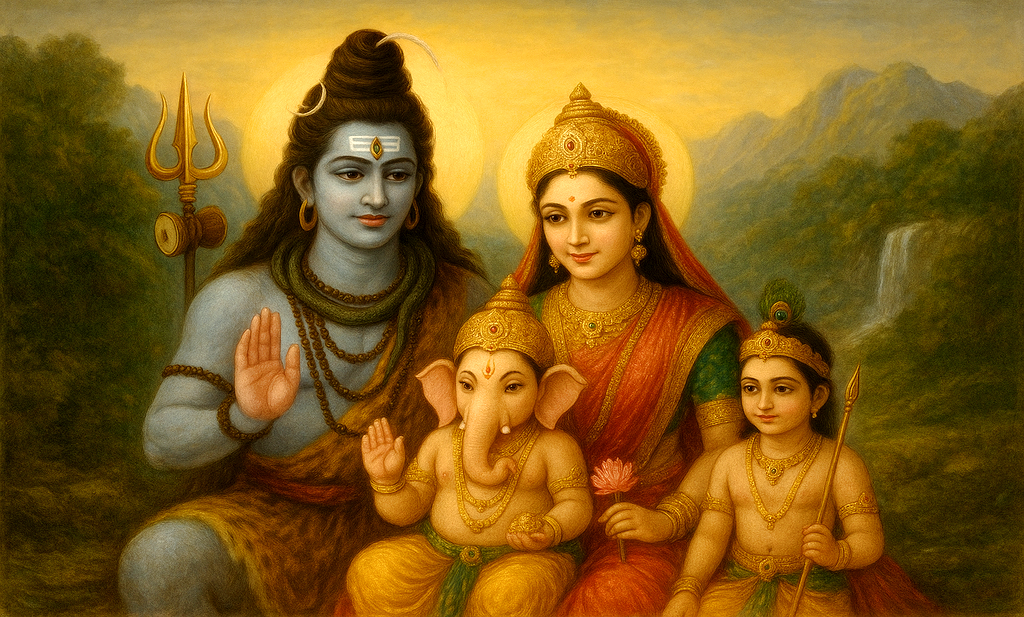
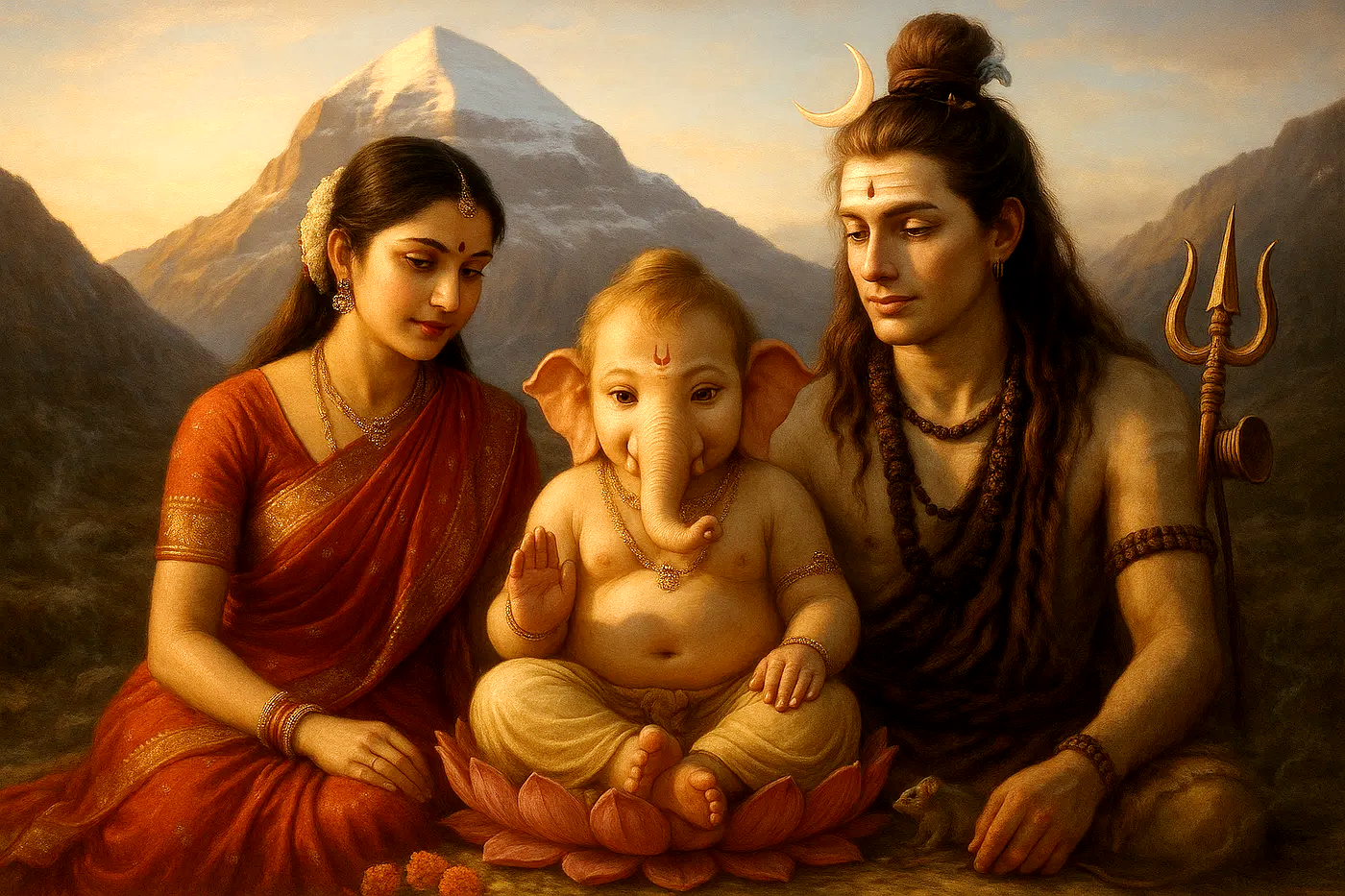
Śrī Gaṇapati is the elephant headed son of Lord Śiva, belonging to the divine family that delivers the soul from darkness and sin. The specific function of Śrī Gaṇapati is to teach knowledge (Vidyā) and drive away ignorance (Avidyā).
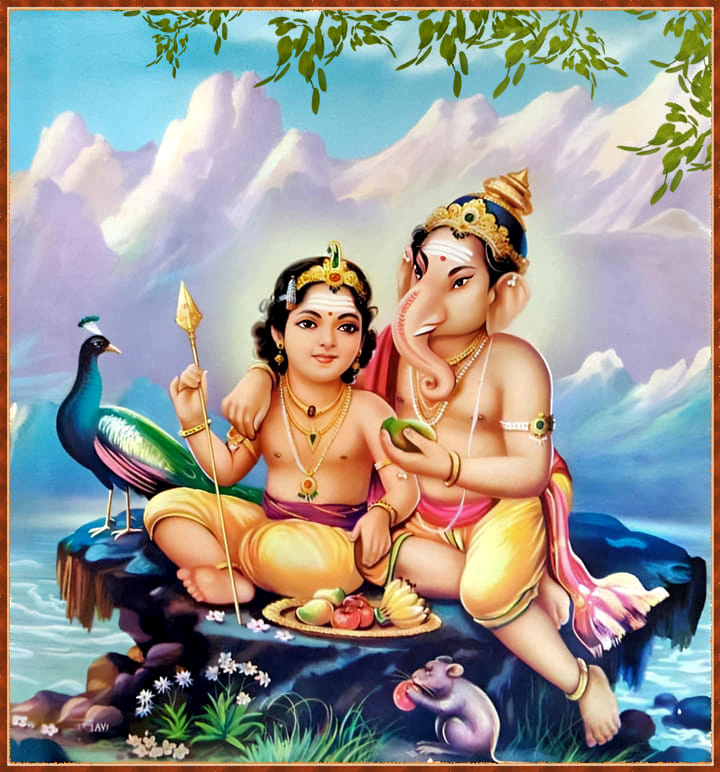
Gaṇeśa’s elder brother is Kārttikeya, who is also known as Skanda, Muruga, Subrah-manya, or Shanmukha. Lord Gaṇeśa and Kārttikeya are two contrasting personalities described in the Purāṇas. The relation between them is distinct mainly as differences in their temperament. While lord Gaṇeśa is worshipped throughout India, Kārttikeya has more influence towards South India. Together, they represent different aspects of divine assistance, with Gaṇeśa focusing on obstacles in life's path and Kārttikeya embracing the martial spirit, showcasing the balance between overcoming challenges and the pursuit of victory.
***
Download PDF
sri-ganesha-yantra.pdf